


What is PBV Identity
Analysis Engine?
Structures user aesthetic preference responses into vector data (Preferred Beauty Vector),
and cross-calibrates with skin analysis results to structurally improve recommendation accuracy.
Structures user aesthetic preference responses
into vector data (Preferred Beauty Vector),
and cross-calibrates with skin analysis results to structurallyimprove recommendation accuracy.
Aesthetic Preference
Response Analysis
PBV (Preferred Beauty Vector)
analysis engine collects skin data.
Emotional Bias
Structure Analysis
Analyzes emotional bias
structures to quantify
the direction and intensity of mood.
Vector
Architecture Design
Converts analyzed emotional data
into high-dimensional vectors (PBV).
"Why is my result different
from the personal color
I already know?"
Consumers' perceived skin tone and
condition often do not match actual skin data.
Recommending based solely on data
without considering this perception gap,
or relying only on preferences,
leads to selection errors.
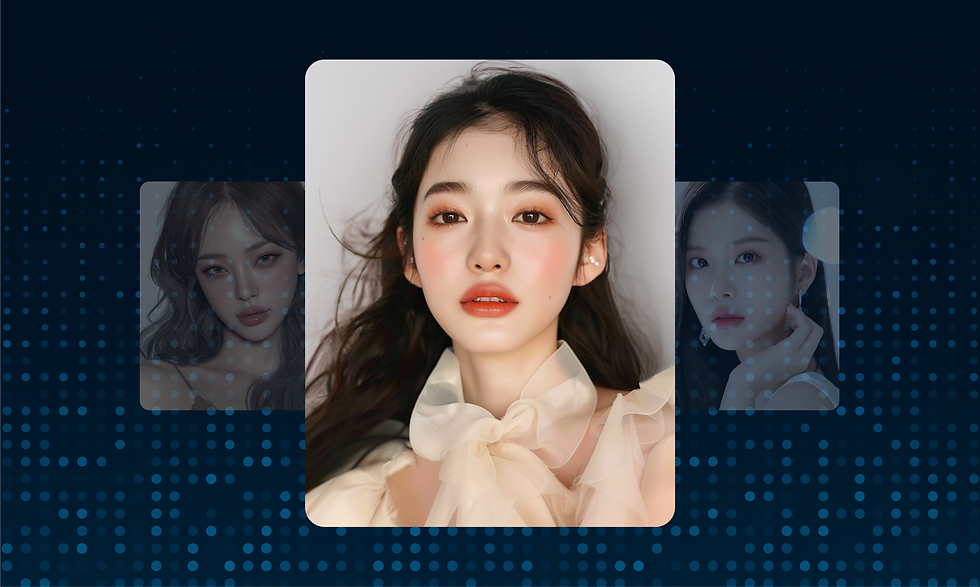

The connecting structure
between data and
consumer preferences
The PBV analysis engine is an AI computation
structure that cross-calibrates skin data
and consumer aesthetic preference vectors
to quantitatively adjust deviations
between the two datasets.
What are
the business effects
of PBV Identity
Analysis Engine?
Expands the existing skin-centric
recommendation structure,
and creates substantive changes across
recommendation accuracy
and purchase conversion structures. Beyond
simple experiential features,
this is the foundational technology
for building recommendation infrastructure
that drives results in retail environments.
Expands the existing skin-centric recommendation
structure, and creates substantive changes across
recommendation accuracy and purchase conversion
structures.Beyond simple experiential features,
this is the foundational technology for building
recommendation infrastructure that drives
results in retail environments.
Purchase Conversion
Optimization
Precisely filters recommendations
with high selection probability through intent
calibration logic to improve purchase conversion rates.
Selection Error
Reduction
Adjusts conflicts between skin analysis
and user aesthetic preferences to reduce
product selection failure rates.
Data Asset
Conversion
Accumulates data for mood-based
segment analysis and expansion
into product data asset conversion.

Clearly proven business impact
by many cases
+14%
Sales
Contribution
Of the total store sales, the share generated
from purchases after Twinit
experience averaged 14%.
×3
Walk-in
Customer Increase
The number of visitors to offline stores
that adopted Twinit AI increased
to an average of 200% compared to before.
+67%
Online Traffic
Connection Rate
Average monthly sales increased by 67% per
store during the Twinit solution
deployment period.
